Being in love is beautiful. When it happens, you just know it. Everything changes around you – to be more precise, you perception of things around you changes.
When you meet your dream girl (boy), you enter a new, imaginary world, where everything is possible, a world without any limits or barriers. Living in this world is great – it’s an endless source of inspiration, motivation and energy.
In this example, we’ll look at how sound effects were used, to create this gorgeous world.
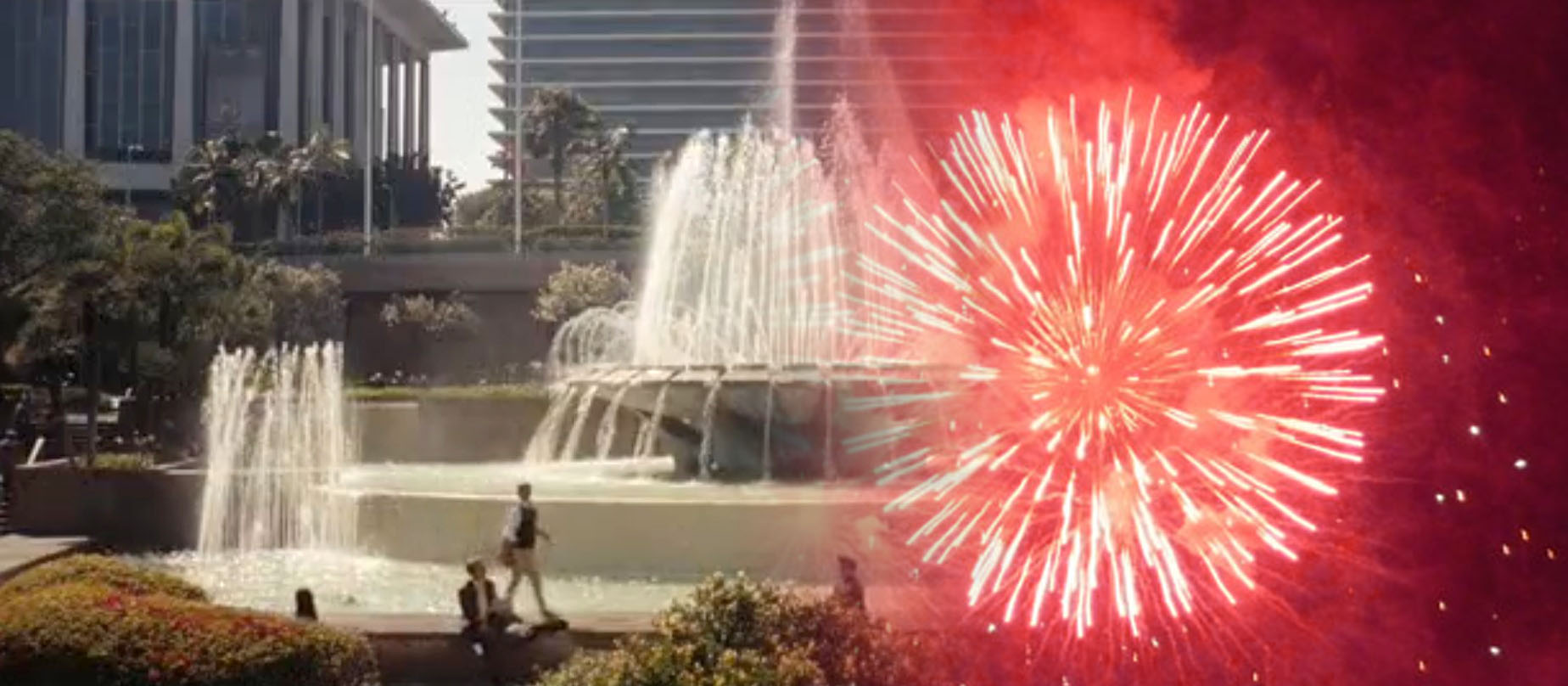
When Tom walks by the water fountain (youtube video above at 0:26), instead of hearing the sounds of splashing water, we hear sounds of fireworks. What a beautiful touch in terms of sound design!
The sounds of fireworks portray, how Tom perceives the world around him (hears what he wants to hear) and at the same time, visually it also makes sense – the water fires up, same as the fireworks do. Hopefully, you can see everything more clearly in the picture below:
(500) Days of Summer (2009)
However, you can’t live in this beautiful world forever. Someday, you have to leave. Needless to say, the leaving really hurts, a lot. The good thing about it though is that you’ll learn probably one of the most important lessons in your life…
“The movie’s conclusion hinges on Tom realizing that he can’t impose his expectations on her, and that adult relationships are about accepting people as they actually are, not how they’re fantasized to be, a place he can’t arrive to if he doesn’t begin by considering her as a unicorn.” [David Greenwald]
These are just few of the adjectives appearing repeatedly in the Vimeo comments below the short film The Division of Gravity. Before you continue reading, watch the short. You won’t regret it, I promise!
Watching this short is like reading a book about cinematography. The visuals are gorgeous, but what makes them really powerful is their storytelling capabilities.
I will divide the story into 5 acts and tell it again, chronologically, using only a few selected still frames taken from the short.
Act 1 – Flourishing garden
The Division Of Gravity (2012)
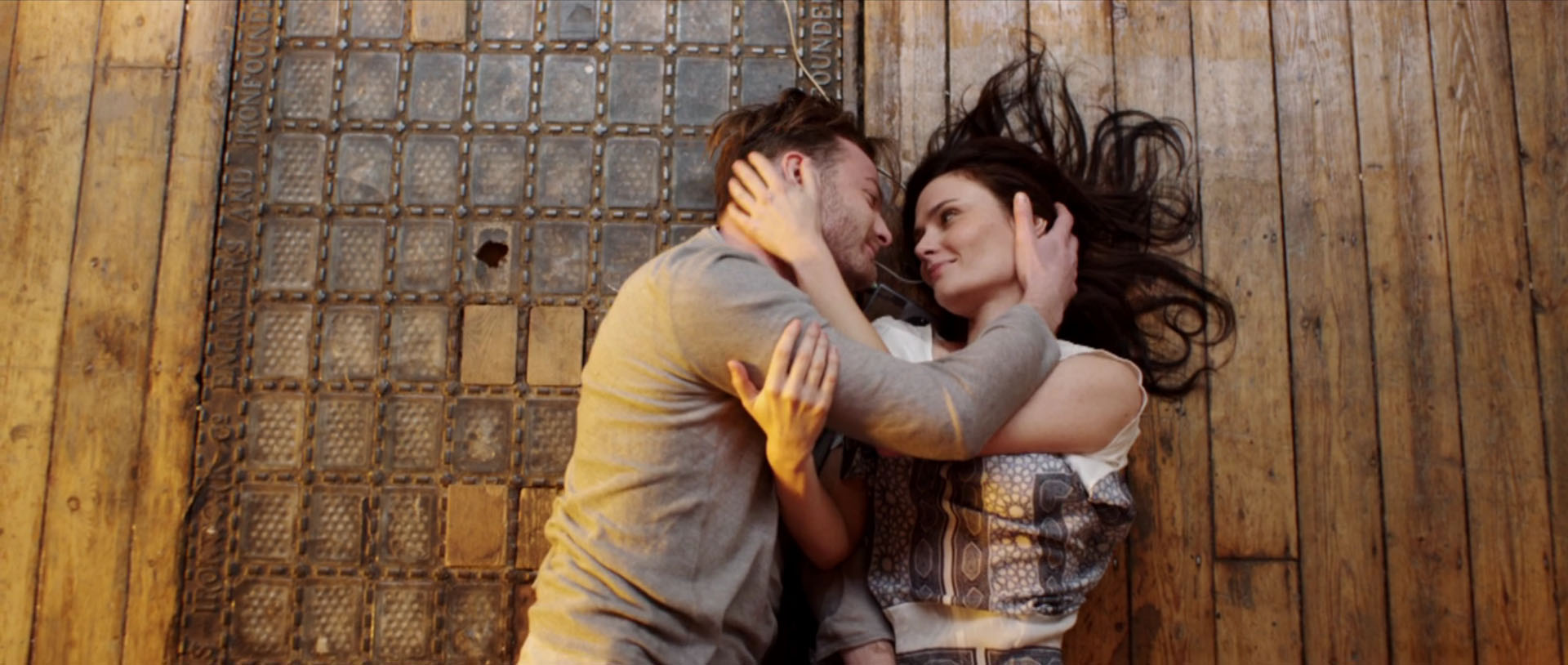
This is the best part! Everything is great, you feel like nothing is impossible, you own the world, you are at the top!
You don’t know your partner that much, you know a lot already about him/her, but there is also a lot you don’t know yet. That leaves you with a huge space for your imagination to fill in the gaps. And obviously, your imagination is always far more better, than the harsh truth.
In any case, everything is great, everything feels balanced. And the word balanced is exactly the word to describe composition in the following images: They feel balanced and at ease.
The Division Of Gravity (2012)The Division Of Gravity (2012)The Division Of Gravity (2012)
(With a little bit of imagination, you’ll see the shape of ♥ if you look at the picture above – formed by their hands and heads.)
Act 2 – Storm is coming
The Division Of Gravity (2012)
Unfortunately, nothing lasts forever. Always, something has to go wrong. The initial balance is lost. You are getting to know the other person much better and slowly realizing, that maybe he/she is not the right one for you. But at least, there is a hope, that it may change for better in the future.
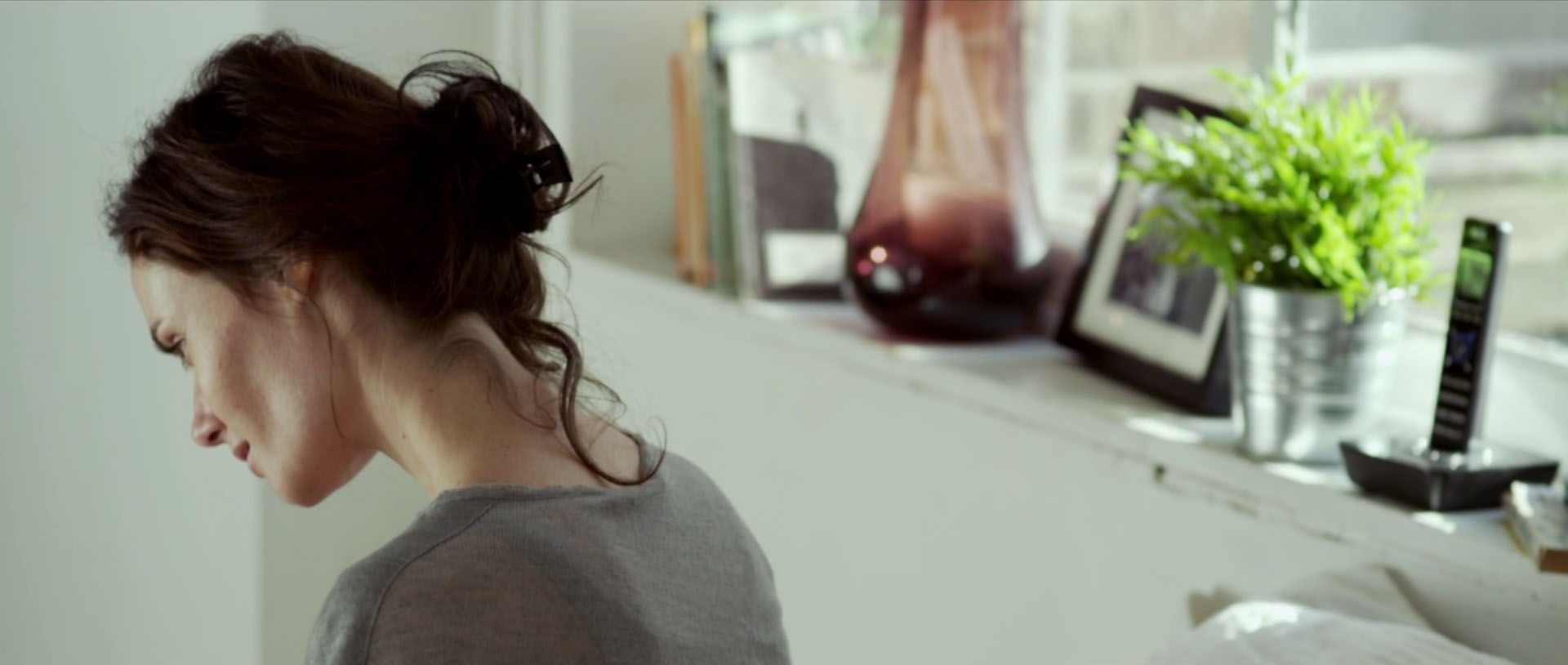
Now, look at the framings in the pictures below. They are not balanced, there is something missing – a visual counter balance to the character framed to the left. You kinda feel the emptiness and loneliness.
The Division Of Gravity (2012)The Division Of Gravity (2012)
Act 3 – Alienation
The Division Of Gravity (2012)
There is a growing gap between you and your partner. It is a time of frequent fights, arguments and misunderstandings.
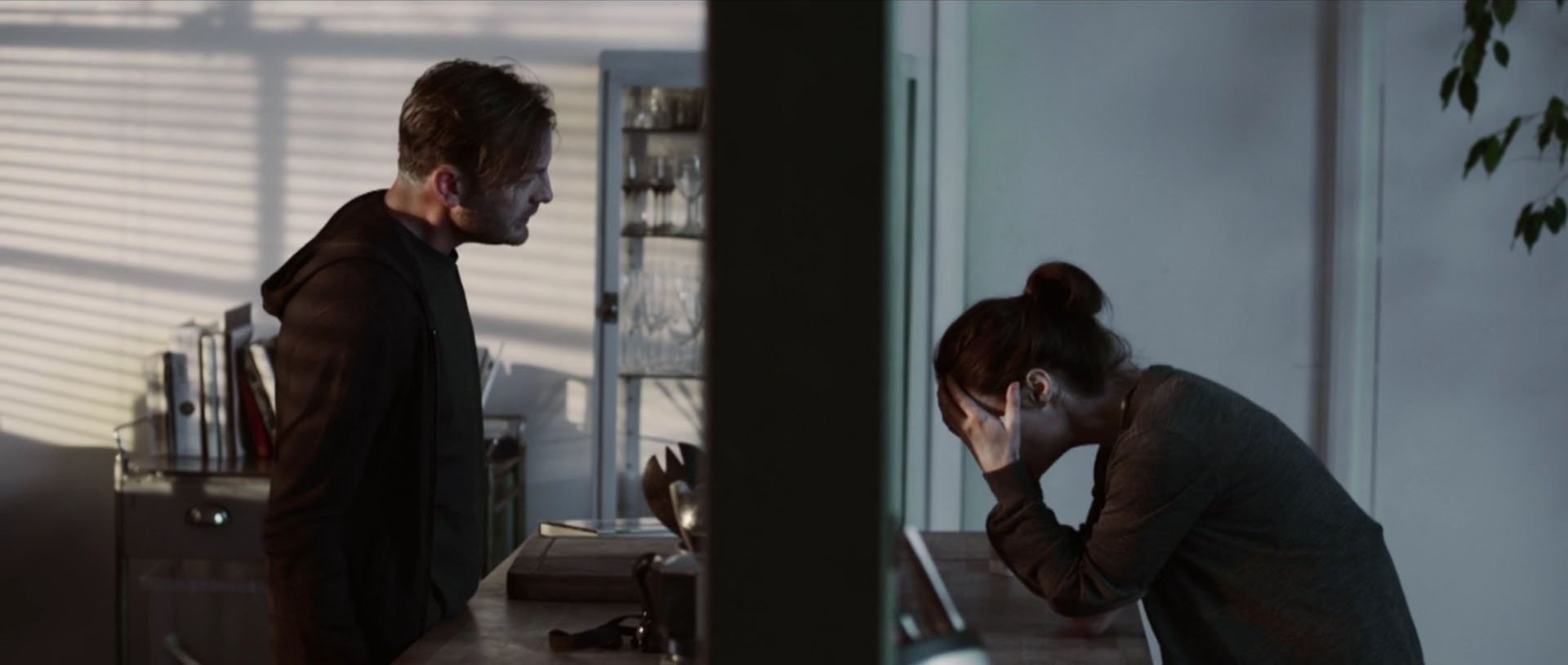
If you look at the pictures below, you’ll see that the characters are detached and separated not only mentally and emotionally, but also in the framing of the shots. There is always a visual element to separate them.
The Division Of Gravity (2012)The Division Of Gravity (2012)The Division Of Gravity (2012)
(I absolutely love the last shot. The character in the background is completely separated from her. The wooden bars create a new framing for him.)
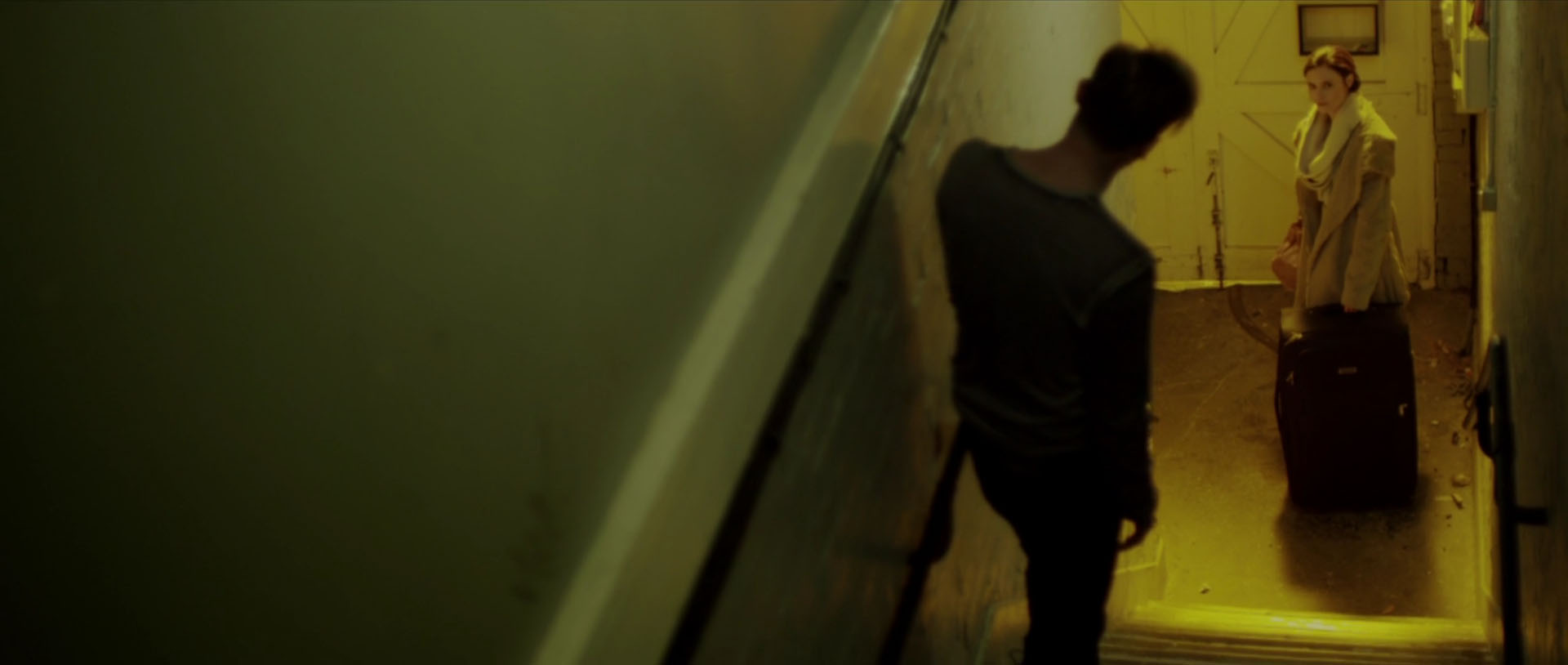
Act 4 – Enter the void
The Division Of Gravity (2012)
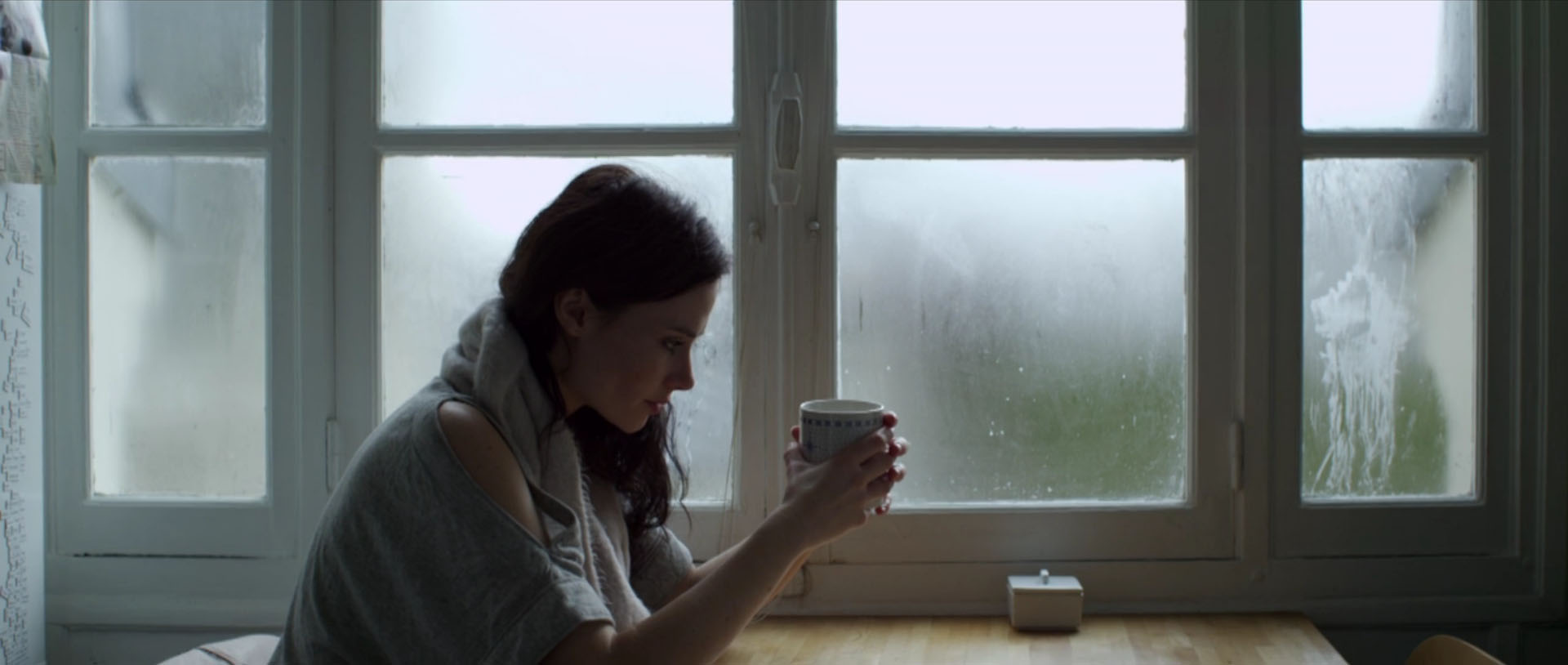
It was inevitable, you broke up. From now on, everything goes down. You feel like there is nothing left. You are losing purpose and meaning of everything. What used to matter to you doesn’t matter anymore.
The Division Of Gravity (2012)The Division Of Gravity (2012)
Now, look at the two pictures above: The characters are framed to the right, that creates a huge empty space behind them. Can you feel the void?
Second way of looking at this framing is that the characters won’t let anyone to get close to them for a long time. Framing characters like this makes them enclosed and inaccessible.
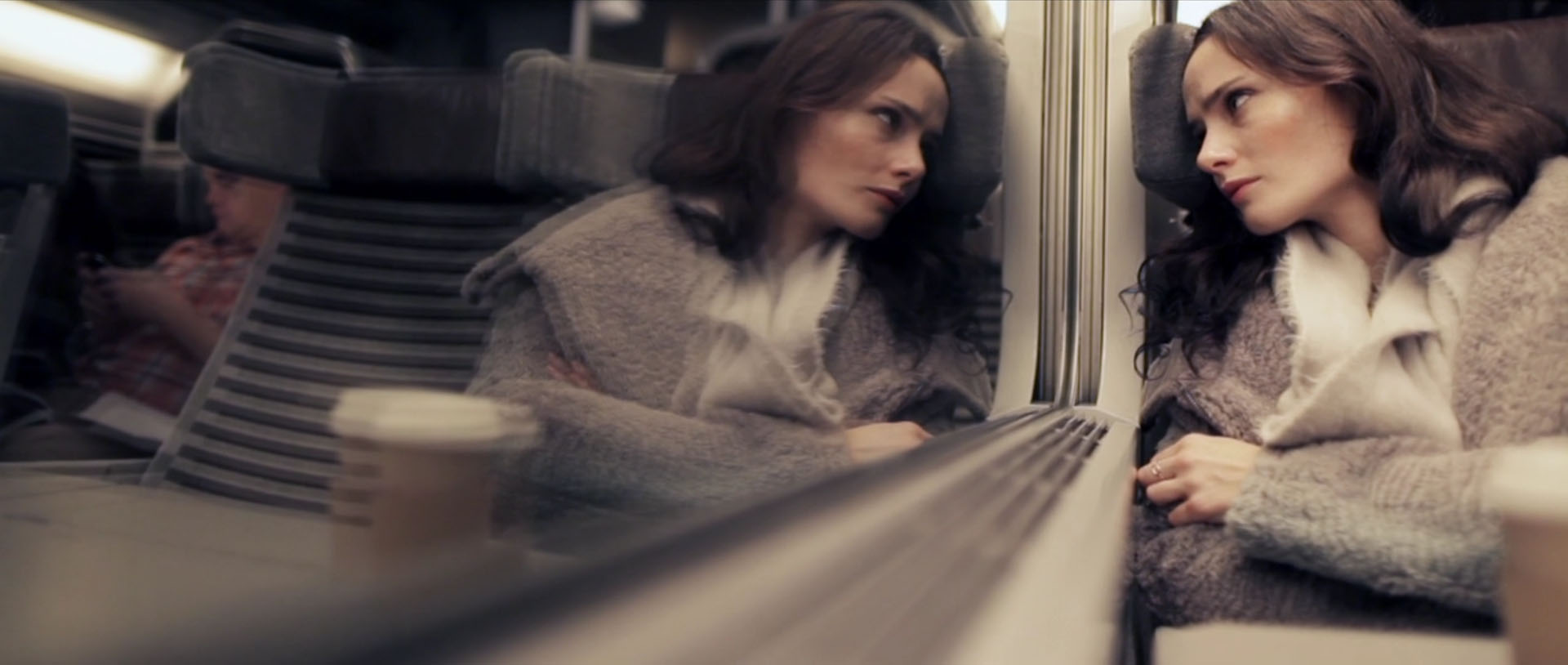
Act 5 – Life goes on?
This is a thinking period. You reflect on what you did, analyze and you’re trying to learn something from this painful experience.
The Division Of Gravity (2012)The Division Of Gravity (2012)
“And you learn, and learn. With every goodbye, you learn.”
5 Aug, 2012
Most of us probably know, how painful it is to say goodbye to person who we used to love, but only few of us know, how much it hurts, when you don’t have the opportunity to say so … (it fucking hurts…).
Lens choice is one of the many creative areas, that the cinematographer is responsible for. Different lenses are used for different purposes. In this example, we’ll explore how Robert Surtees used telephoto lens to heighten the suspense and drama in the final sequence of The Graduate.
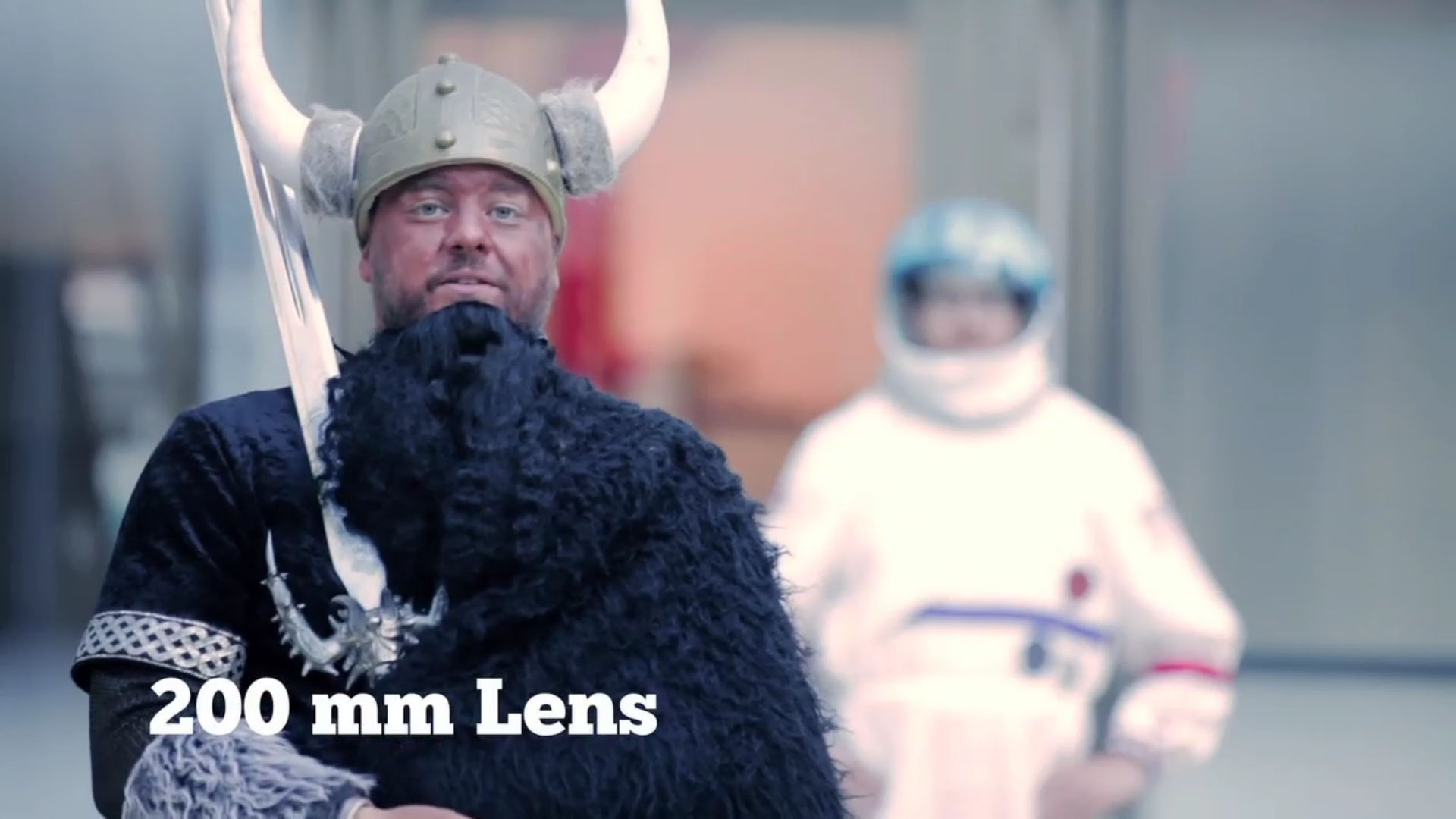
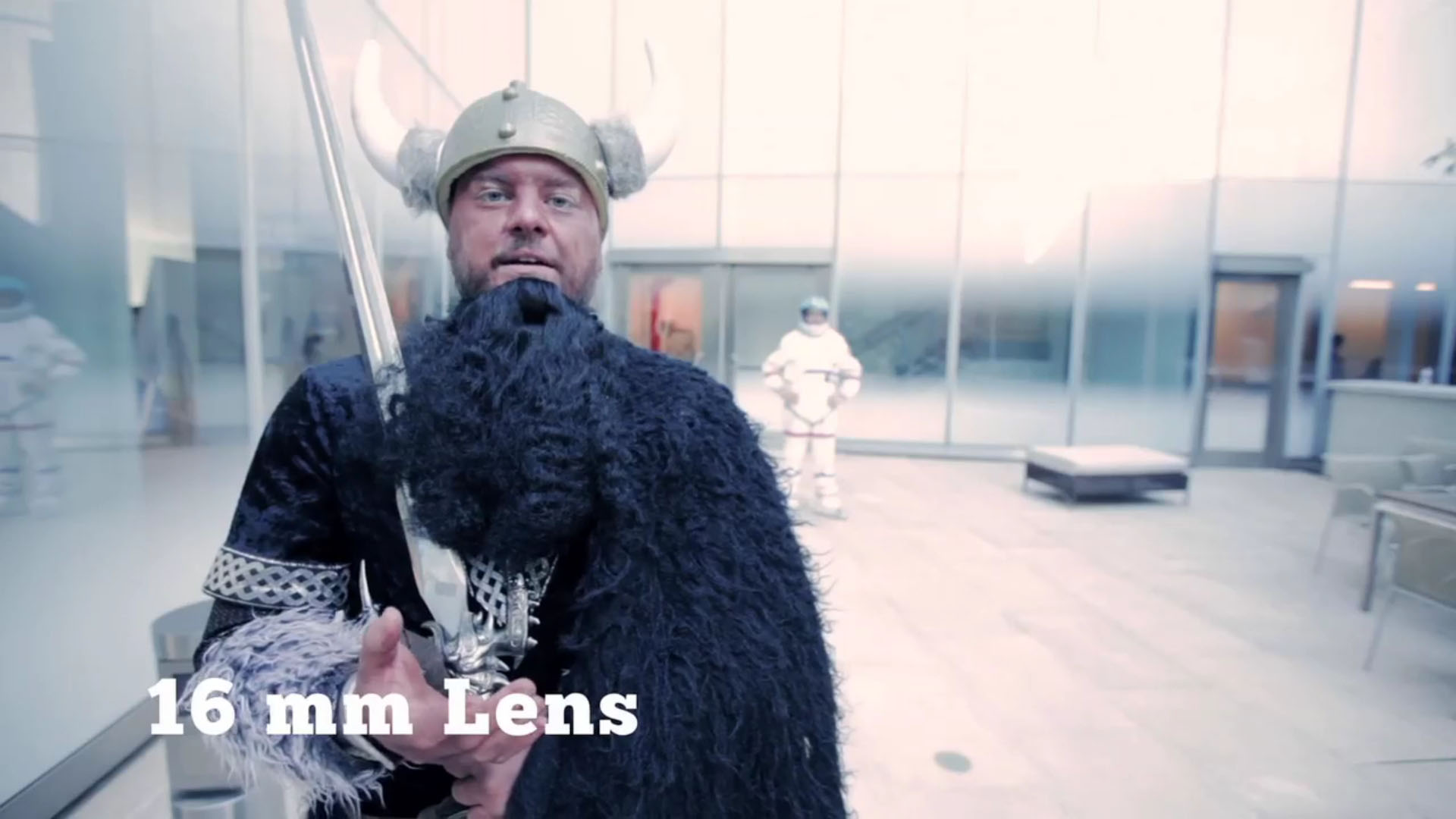
Now, because we’ll be talking a lot about lenses, I recommend you to watch a short video by Vincent Laforet and Blake Whitman from the Vimeo Video School. It’s short, informative and funny!
So, what is really important to remember, is that telephoto lenses compress the background and foreground, while wide angle lenses tend to magnify the distance between background and foreground.
Behind the Glass Part 2: Focal LengthBehind the Glass Part 2: Focal Length
Hopefully at this point it, it is clear what is the difference between wide angle lens and telephoto lens, so if you happen to be a cinematographer on a movie, here is how you can use those differences to your advantage and tell a better story.
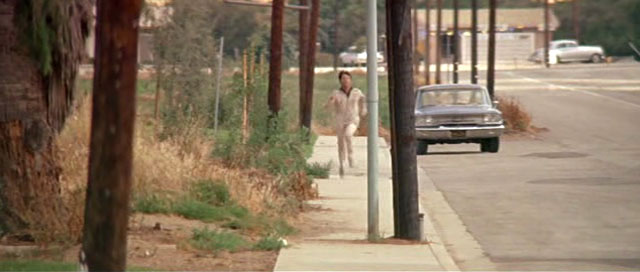
In the final sequence, Benjamin runs to the church. It’s a race against the clock. He is trying to make it there, before Elaine (his girlfriend) marries Carl (husband chosen by Elaine’s parents).
The scene could have been captured from side using wide angle lens, but much better choice was to use telephoto lens and film the scene, so that Benjamin is running towards the camera.
The Graduate (1967)
We already know, that telephoto lenses compress the space (background and foreground). The side effect is that when you have a moving object or character in the scene, it appears as if they stay at almost the same place, even if they are moving really fast.
Benjamin is (literally) running out of the time and thanks to the characteristics of telephoto lenses, it looks like he is moving slow, which increases the drama and suspense of the scene. (Will he make it in time?)









 CINEMA SHOCK